


Hi readers. I hope you are doing well and that you have some time to take a break this week and see friends and family or just to rest.
Since it’s Thanksgiving time in the U.S., I’m going to revisit an older post with some specific advice related to this holiday. I hope it’s useful to you!
— Christopher
P.S.: Did you know that Talk To Your Boys, the new book from me and Joanna Schroeder, makes a great holiday gift? Please consider adding it to your cart!
Order from: Amazon | Audible | Barnes & Noble | Bookshop | Books-A-Million | Walmart | Amazon (CA) | Amazon (UK) | Mighty Ape (NZ)
LET’S TALK ABOUT THANKSGIVING
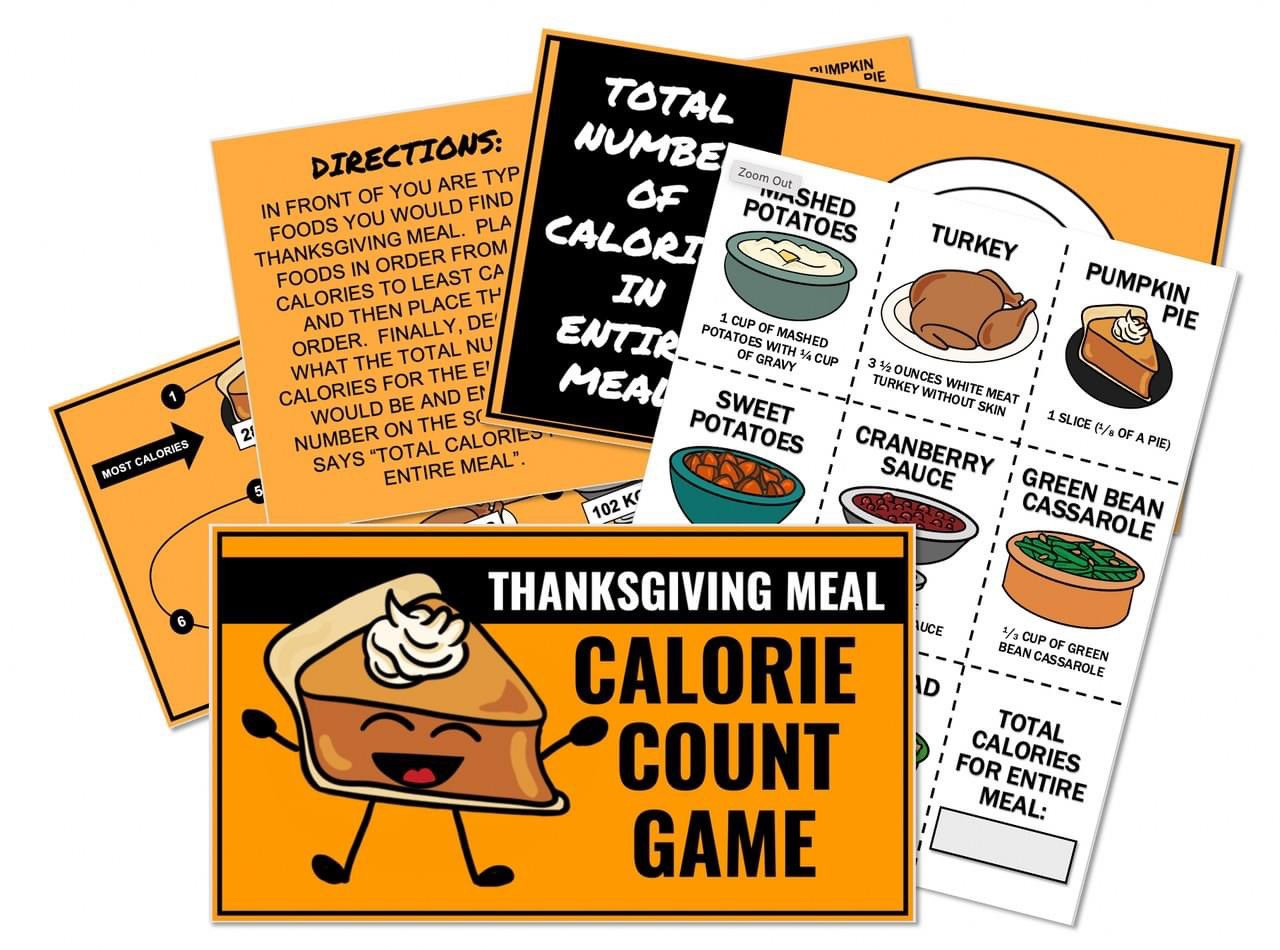
Thanksgiving: What Lessons Are We Teaching?
Thanksgiving, and the days leading up to, can prompt a LOT of discussion about food and our bodies in our schools and in our homes.
One parent posted about how the Thanksgiving-themed nutrition lessons in her 12-year-old daughter’s Health class were making her uncomfortable.
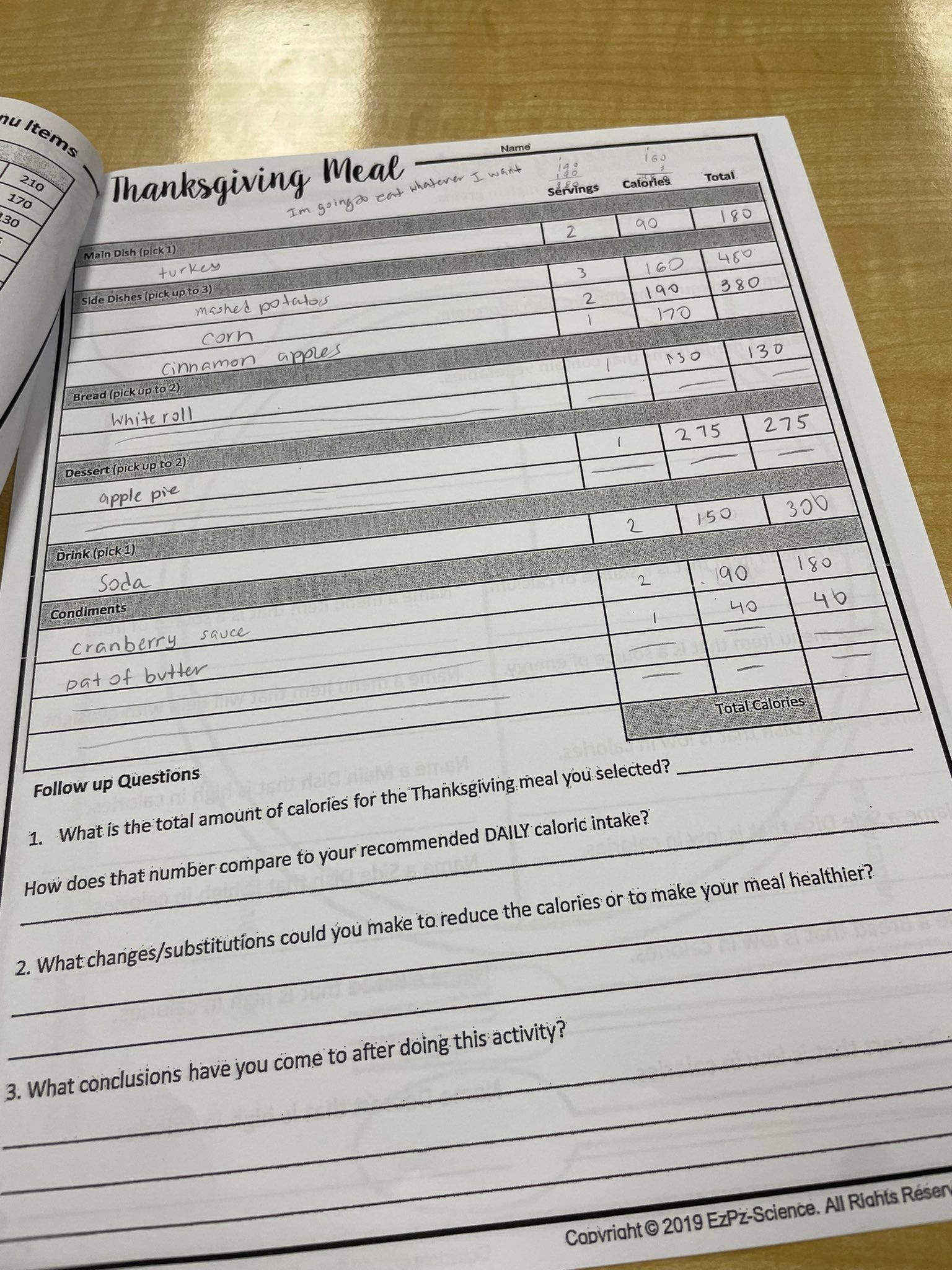
“My daughter said that she was working on this paper with a friend and they wrote down everything they wanted to eat at Thanksgiving dinner. When they calculated the calories her friend realized her meal was 2500 calories and she said “oops, that’s bad” then cut a lot of food out to bring the calories down.
Y’all… it’s a holiday FEAST. It’s important culturally, socially, and actually even for our metabolism to have occasional feasts and not worry about calories, ESPECIALLY as children.”
Assignments like this are quite common, but there are LOTS of other ways to do things.
Here’s some advice from middle school teacher Cait O’Connor, who created the #DitchingDietCultureAtSchool toolkit:
”This week before break, instead of adding to the fear and anxiety some students may already feel around food (calorie assignments, etc.), teachers can frame lessons around joy, connection, and gratitude for the things and people who make them feel safe.
Normalize empowering youth to have and make choices about food that feel good to them, and recognize hunger/fullness cues in ways that are, at a minimum, free of shame, and ideally, positive toward their bodies no matter their size or identity.
Calorie counting assignments may not only reinforce diet culture, but they may accidentally applaud kids who are food insecure because there is less food to eat (and thus, to report on) to begin with.
Additionally, over-focusing on family may not resonate with all students, especially those who have experienced grief and loss in their immediate families or who do not feel at home or safe in their families of origin.“
O’Connor suggests several ways teachers can focus away from counting and body shame this week:
Ask students to think/write about positive food memories
Research indigenous food practices from their cultures
Engage students in conversation about mutual aid/service in their communities

Get Some Expert Guidance
One inclusive practice I love is doing a “Food Traditions Interview,” using this worksheet from the free Nourish curriculum.
Students take turns as speaker, interviewer and recorder, asking questions like:
What are some special foods your family eats for holidays?
What is your favorite family dish? Why?
Do any of your family’s foods or traditions have family stories connected to them? What are they?
Are any of the foods linked to your family’s cultural or ethnic heritage? Which ones?
Nourish also offers many videos and tools to get young people thinking about the fascinating question of where their food comes from, and celebrating the wide variety of foods available to us.
BLACK FRIDAY SALE
Get FULL access to all of Teen Health Today
(including years of archives)
for only $2.92 a month!
Surviving Thanksgiving With Other People
Group meals like Thanksgiving can create a lot of anxiety. That’s why I’m grateful for Virginia Sole-Smith, who created a guide to “Eating With Other People.” Here’s a quote that will give you a good sense of what the guide is all about:
”You deserve to enjoy your Thanksgiving meal without judgment or acrimony. Your kids deserve the same. Your bodies do not need to be up for discussion, or subject to more the oblique and veiled references that many families trade in. It’s okay to say you aren’t available for that conversation. And it’s okay to make the labor visible and more equitable.”
In the guide, she goes into detail about a number of important topics:
Judgment-Free Holiday Meals with Kids
”Micromanaging your child’s plate in the middle of a big family feast is only going to make the day less fun for both of you. That’s true whether you’re paranoid that they aren’t eating enough vegetables, or that they are eating too much pie.”Fatphobia at the Holiday Table
If you’re fat, or your body has recently changed, say “I’m trying to steer clear of diet talk right now because I haven’t found it helpful. I’d love your support on this.” I’d start by having this conversation with a family member who could be an ally to you. Can they help deflect or run interference if the comments start up on Thursday? Or if they won’t be there, can they be on text support standby in case you need to take a break and vent about the weird thing your grandma said?Making Holiday Labor Visible
If you are trying to set a boundary around body and diet talk with the person who does most of the labor to make your holiday meal happen, make sure you are also taking time to appreciate their labor and contribute to it in whatever way you can.
If you appreciate the advice here, be sure to check out Virginia’s newsletter, Burnt Toast, and her book Fat Talk: Parenting in the Age of Diet Culture.
Thanksgiving With Kids: Reduce The Drama
The Thanksgiving episode of The Self-Driven Child podcast tackles the inevitable family drama that comes with the holiday. Two of my favorite parenting experts share their tips for navigating tricky conversations and situations with family members.
Phyllis L. Fagell, school counselor and author of “Middle School Superpowers: Raising Resilient Tweens in Turbulent Times”.
Dr. Robyn Silverman, child and teen development specialist and author of “How to Talk to Kids about Anything: Tips, Scripts, Stories, and Steps to Make Even the Toughest Conversations Easier”.
They cover how to set expectations beforehand, validate kids' feelings without agreeing, use humor to defuse tense moments, and provide coping tools for when things go off the rails.
A few highlights:
Understanding kids' sensitivity around changes in their appearance.
Making sure adults are aware of their own triggers.
Giving kids an “out” if conversations get uncomfortable.
Redirecting family away from constant questions about school.
Getting to know grandparents as real people, not just authority figures.
Having distractions/diversions ready when things go downhill.
Recent Teen Health Today Highlights
Sex Ed In America: From Terrific to Terrible
In some states, students learn about consent and healthy relationships. In others, they get “Baby Olivia.”
Two in Five Younger Women Want to Leave U.S. Permanently
Politics is driving the desire to leave. PLUS: The risks of weed for youth, and how one woman’s passion helped bring “Plan B” to consumers.
People Keep Talking About “Talk To Your Boys”
So grateful our book keeps receiving such a generous and enthusiastic welcome
Choosing to leave kids’ plates empty is a moral and political failure
If you enjoyed this post, please consider forwarding it to someone who might like it, and click the ❤️ or 🔁 button so more people can discover it on Substack. Thank you!