


Hi readers! I’m so glad to be able to share this interview with Emily W. King, Ph.D. about her FANTASTIC new book The Neurodivergent Learner. The book is a caring, practical guide for parents and educators of neurodivergent children, packed with science-backed strategies and real-life stories
King is a child psychologist, speaker, and parent educator who specializes in providing therapy and consultation services for children living with autism, anxiety, ADHD, and learning difficulties. She writes the excellent newsletter Learn with Dr. Emily®, and is the creator of The Neurodiverse Classroom, a professional development curriculum for K-12 educators.
I hope you are enjoying the back-to-school transition and finding time for laughter and connection.
Big Love,
Christopher

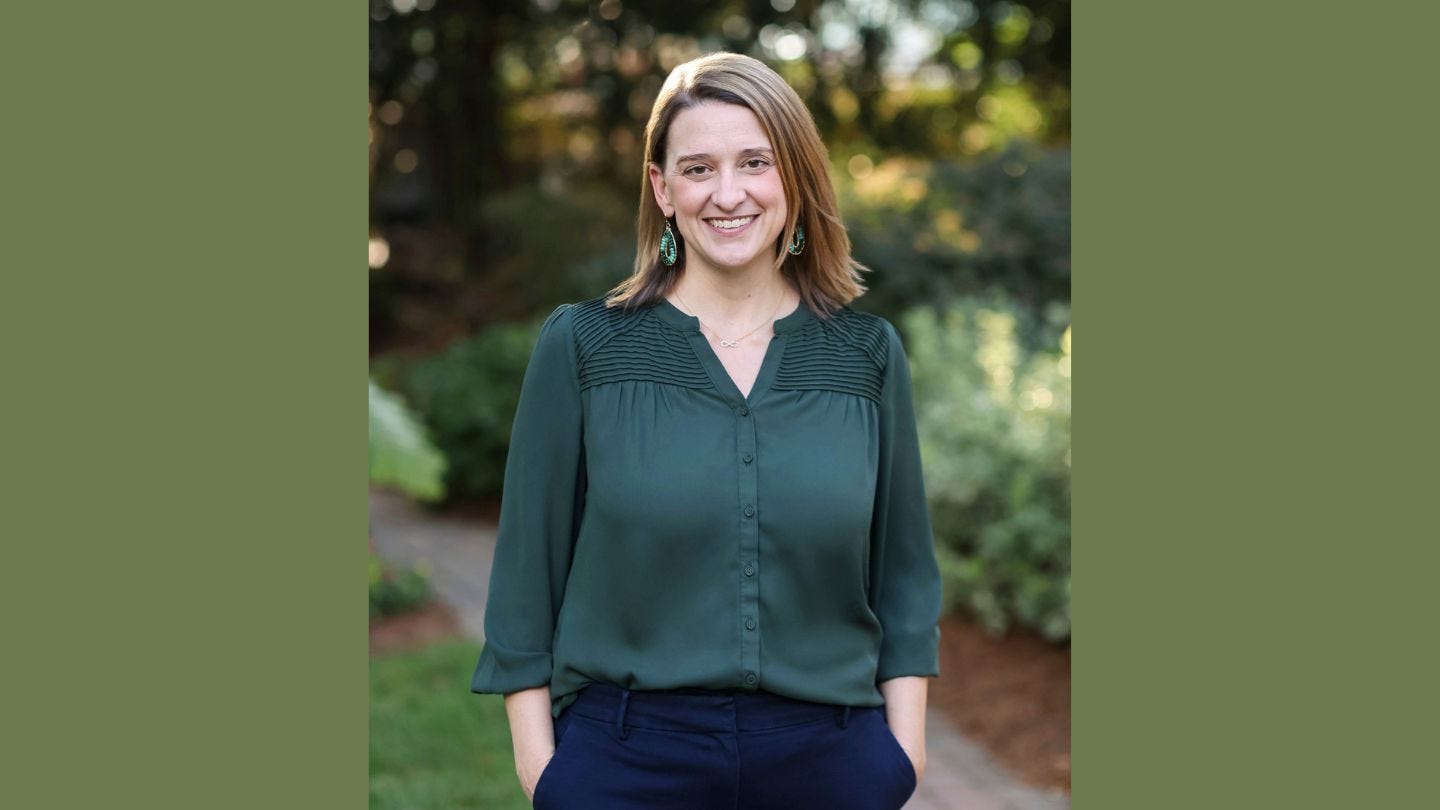
The Interview: Emily W. King, Ph.D.
Let’s start with the basics: What do you mean when you say “neurodivergent learner”? Why do you like that term, and how do you decide when to use it?
While we are neurodiverse as a population, some of us are neurodivergent. For this book, I define neurodivergence as differences that impact learning and development. Diagnoses that fall under this umbrella and often lead to uneven academic achievement include autism, ADHD, learning disabilities, giftedness, and twice-exceptionality. I love the term "neurodivergent" because it allows someone to share that they learn differently without needing to disclose their diagnosis until they are ready. I always follow a parent's or child's lead on how they identify themselves. In my opinion, we use diagnostic labels in three ways:
to gain access to services
to help others understand our needs and
to help kids and teens identify with others who share their same pattern of neurodivergence.
You've spent more than two decades working with neurodivergent children, and you're also raising two neurodivergent sons. How did those experiences shape this book?
I often say that I learned more from my sons and the clients I have worked with than I learned in graduate school. I think this is true for many of us in the fields of education and healthcare. We learn so much by listening to others, seeing what works and what doesn’t, and truly understanding the limitations that reality can place on clinical recommendations. For instance, we know that smaller student/teacher ratios will help educational outcomes, but the reality is that public schools are severely under-funded. We know that more mental health professionals in schools will help reduce negative behavior outcomes, but we don’t have the staff to meet the needs. While this book shares stories, research, and strategies related to educating neurodivergent learners, I also want to bring awareness that we can do so much to help not only these kids, but all kids thrive.
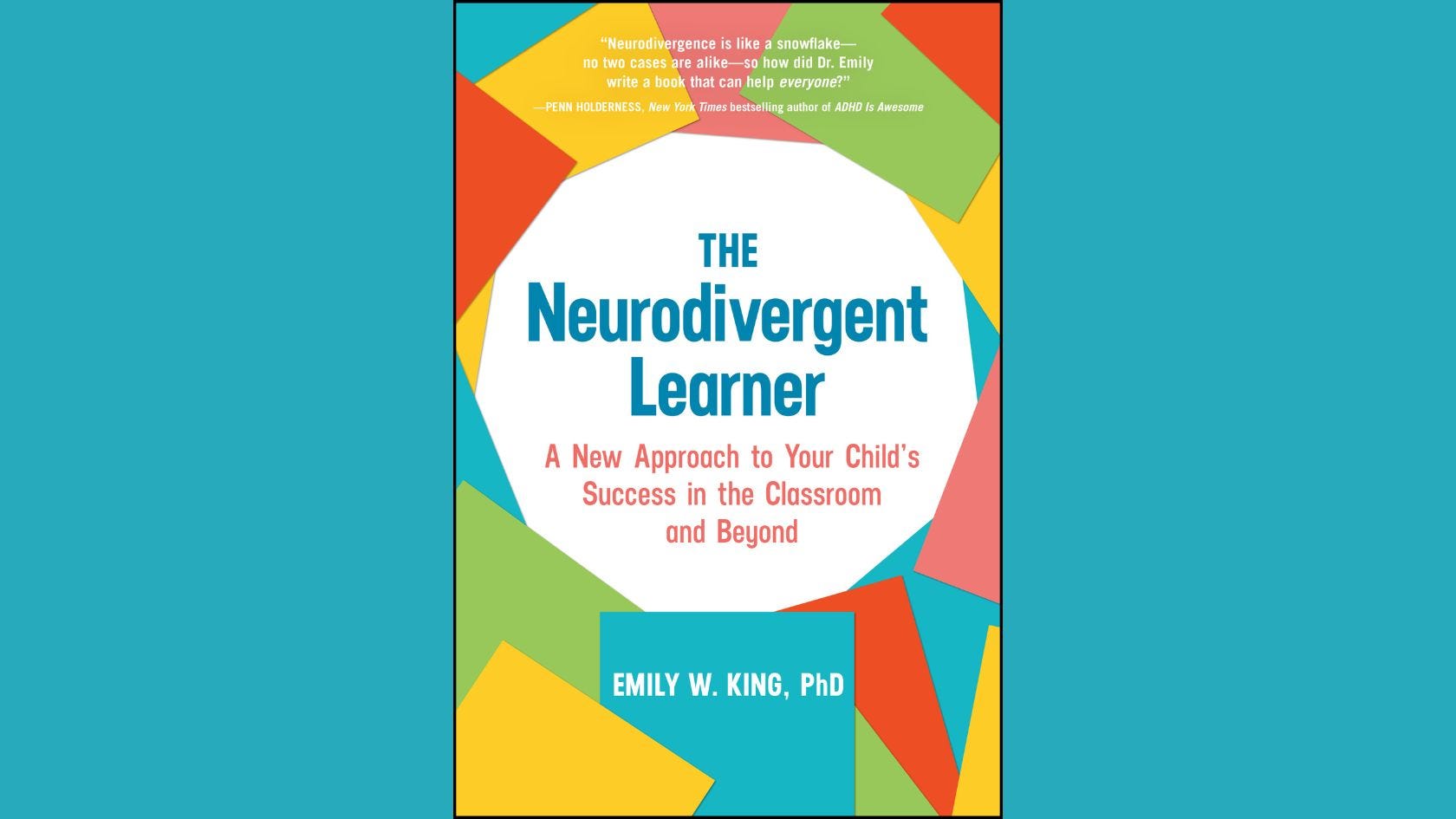
You explain that children’s nervous systems have to feel safe before learning can happen. How can schools and families create that sense of safety?
In the book, I start by explaining that we have to feel safe first within the physical structure of the building. Sometimes young children do well in a small preschool environment but then struggle in a larger elementary school. Or, a child may do well in an elementary school building and then struggle with the size and transitions of a middle or high school building. We can support kids with routines, visual systems, and safe places to go when overwhelmed to help them feel safe at school.
Next, we need to help them feel safe with the people around them. Most neurotypical students can adapt to or tolerate relationships that aren’t the best fit. For instance, having a teacher they don’t mesh with or sitting next to a peer they find annoying. But, neurodivergent learners may not be able to focus or feel safe in a social dynamic that overwhelms them, which will shut down learning. So, we have to consider the sensory demands of the physical space as well as the relationship safety between educators and peers to help students feel safe.
You write that many behaviors adults label as defiance or laziness are actually signs of overwhelm. How can parents begin to tell the difference?
I often refer to this as telling the difference between a “can’t” and a “won’t”. If a child can’t do something, they likely have not developed the skill yet and they aren’t doing the task in any setting. A “won’t” is often an emerging skill that happens only when a child is rested, fed, connected, and engaged. It’s these “won’t” behaviors that tend to get labeled as a “choice” or “lazy” when they’re really just a variable skill.
Get curious about the patterns of when a child is or isn’t doing something. If they struggle with chores after school but can do them on Saturday morning, this is likely a stamina issue. If they struggle with homework but can do the work at school, they may be benefiting from the structure at school. If something is so overwhelming and no one has ever seen the child do it successfully, we need to pull back expectations and make the task more doable by making it shorter, simpler, or with support until the child can feel successful without becoming emotionally overwhelmed.
Many parents struggle with homework battles, emotional outbursts, or school avoidance. What do these challenges often have in common? How could families respond differently?
Speaking of looking for patterns, homework battles, emotional outbursts, and school avoidance are most often related to experiences of exhaustion or anxiety. See if you can find a pattern of SUCCESS for your child. When do they successfully complete the work they struggle with elsewhere, when are they emotionally regulated, and when do they engage with activities? This will get you and your child’s educational team started with figuring out what IS working and expanding success from there. They may need to only work at certain times of day, they may need more visual structure, or they may need to work with someone outside the family (this can be very true to teens!). Once we figure out what is getting in the way, we can problem-solve the support needed to move the student forward.
One of the most hopeful parts of the book is your emphasis on helping children understand their own brains. How should parents think about talking with children about diagnoses like autism, ADHD, or learning disabilities? At what age do you recommend starting these conversations?
There is no magical age for talking about a diagnosis; however, if a child is engaging in negative self-talk or noticing their differences and believing they have a character flaw, it’s time to talk to them about their brain. I often recommend beginning by helping children understand what they love to do, what their strengths are, and what they need support with. Over time, you can add to these categories and then at some point explain that their pattern of inattention, creativity, and impulsivity, for instance, has a name: ADHD. Then, quickly help them find other people, either in your family or famous people, who share their ADHD profile. When we realize we learn differently, the first thing that helps is not feeling alone.
You regularly lead workshops around neurodiversity. Are there particular topics where you see people really needing support?
My most popular parent workshops often focus on helping parents collaborate with teachers to support their child, while my most popular professional development workshops for educators focus on preventing negative behavior. In general, parents and teachers are both hungry for information to better understand the anxiety and learning of neurodivergent students who are growing up in a world not designed for them.
If you could leave parents with one mindset shift from The Neurodivergent Learner, what would you hope changes in the way they see their child tomorrow morning?
Your child is not giving you a hard time, they are having a hard time. When things are hard, slow down, observe what’s working and what’s not, and make the next best decisions that will lead back to your child feeling safe and supported. Only then can progress begin.
How can people find out more about your work?
Website: learnwithdremily.com
Instagram: @emilywkingphd
Newsletter:
Recent Teen Health Today Highlights
How Amaze.org Can Help You Talk To Teens About AI Nudes, Looksmaxing, And Loneliness
Every parent and educator should know about this site
Let’s Rethink What Success in Sex Education Means
Young people want to know more than how to prevent pregnancy and sexually transmitted infections. Schools should help.
A lot of people are worried about adolescent boys right now. Here are some of my best suggestions about how to better connect with them.
What Teens Say About Phones In Schools
How much should students’ ideas influence the discussion?
If you enjoyed this post, please consider forwarding it to someone who might like it, and click the ❤️ or 🔁 button so more people can discover it on Substack. Thanks! 🙏