


Hi Readers,
I hope you are doing ok this week. As you might know, I started a new job in August - I’m teaching high school health education full time. I LOVE it, and I am also often EXHAUSTED (if I owe you an email, I’m sorry!)
This class is only one semester long, so to make it work, we teachers need to plan thoughtfully and keep up a brisk pace. Since school started, in addition to a lot of community building, we have covered sleep, nutrition, and mental health.
It’s now mid-October, and ALL of my classes between now and winter break in December will be focused on substance use, harm reduction, emergency first aid, bystander intervention, and comprehensive sexuality education.
I posted a note recently about these upcoming topics and some people thought I had redesigned to the curriculum in response to the sexual assault at Cornell University.
The truth is I haven’t changed the calendar at all - this is just what we cover in a modern high school health class.
I feel SO FORTUNATE to have the time and space to talk about these issues with teenagers, and to guide them through activities where they can reflect on their values, practice decision making, and ask real questions. It’s part of why I think health classes are so important.
Thank You For Telling People About Talk To Your Boys
I want to thank everyone who has been sharing our book Talk To Your Boys with parents and educators. We’ve had a flurry of interview and speaking requests, and it’s great to hear that people are finding our book useful.

How To Talk To Your Kids About Sex and Consent
There are lots of specific tips from the book in this LA TImes video featuring my co-author Joanna Schroeder. She explains how we can talk about sexuality and consent with our kids with respect and empathy, and at what age we should start.
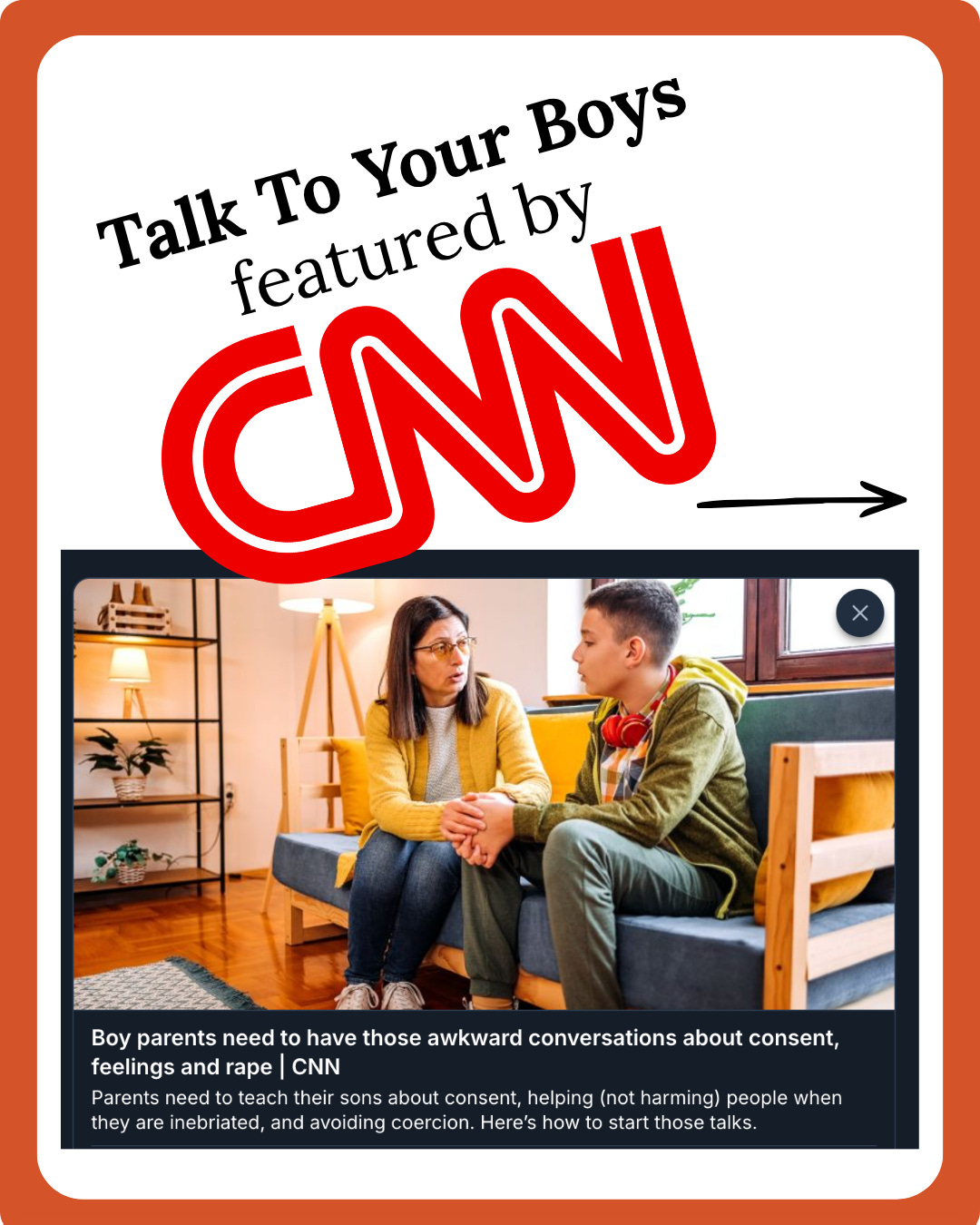
CNN: It’s Time For Those Awkward Conversations
I was interviewed by Dr. Katie Hurley, the author of “Breaking the Boy Code: The New Playbook for Raising Resilient Boys.” for this important CNN story. Here’s a bit of our conversation:
“Adults should lean on the tools they have like books and tips but also accept that they have to have awkward conversations,” warned Christopher Pepper, health educator and co-author of “Talk to Your Boys.” Embracing the awkward shows boys that it’s okay to speak honestly about topics that might feel embarrassing.
Keep it brief, clear and consistent
There’s no room for ambiguity when teaching boys not to rape or assault girls. Pepper suggests 5-minute conversations with specific agendas and a focus on values and expectations. Consider these talking points:
Consent means getting a “yes” every step of the way, from holding hands to touching and other sexual activity. Never assume one “yes” covers every scenario.
Substance use disqualifies consent. If a girl is inebriated, think about ways to help her get home safely. Call for a ride, make sure she isn’t left alone, and ask for help if you need it.
Enthusiasm needs to be present on both sides. Both parties should feel respected and enjoy the experience.
If you have to convince her, you don’t have consent. Coercion in relationships can be subtle, but it is harmful.
Here’s a link to the full piece:
Have You Seen These Videos?
I’m so happy with how these two videos came out and want to make sure you’ve had a chance to check them out
W. Kamau Bell and I talk about consent, raising kids, and how to get more men invested in stopping sexual assault.
Kaamna Bhojwani, Shafia Zaloom, and I have a rich, nuanced, reflective discussion about how to change the way we talk and teach about sexuality and consent.
Two More Talks Worth Your Time
There’s been a tremendous amout of discussion of the Cornell case in the media, and I’ve read and listened to a lot of it. Here are two podcasts that really stood out and made me think.
This Is So Awkward: “Sexual Assault and Consent”
Show description from Less Awkward: The story of the “Cornell 7” gang rape has sent shockwaves across the country. As details emerge, a parade of issues have follow, from disturbing legal loopholes to the impact of media on young people’s behavior to the responsibilities of bystanders. We are joined by Dr. Debby Herbenick, professor and researcher on young people’s sexual behavior, to discuss a way forward. The Cornell case is not singular –– how do we guide young people to ultimately prevent assaults from happening in the first place?
Call Her Daddy: “I Am Jane Doe”
Show description from Call Her Daddy: Join Alex in the studio for an important conversation with feminist philosopher and author Kate Manne about the Cornell sexual assault case that has sparked a national conversation and the powerful movement behind the words “I Am Jane Doe.” Together, they examine why survivors are so often questioned instead of believed and why our society seems more concerned with the consequences for accused men than the trauma experienced by women. From fraternity culture and consent to victim blaming,
I teach health as well…it is one of the most rewarding and exhausting things I’ve ever done!!! Thank you for all you do!